
Meet the Different Teams That Derail Your AI Strategy
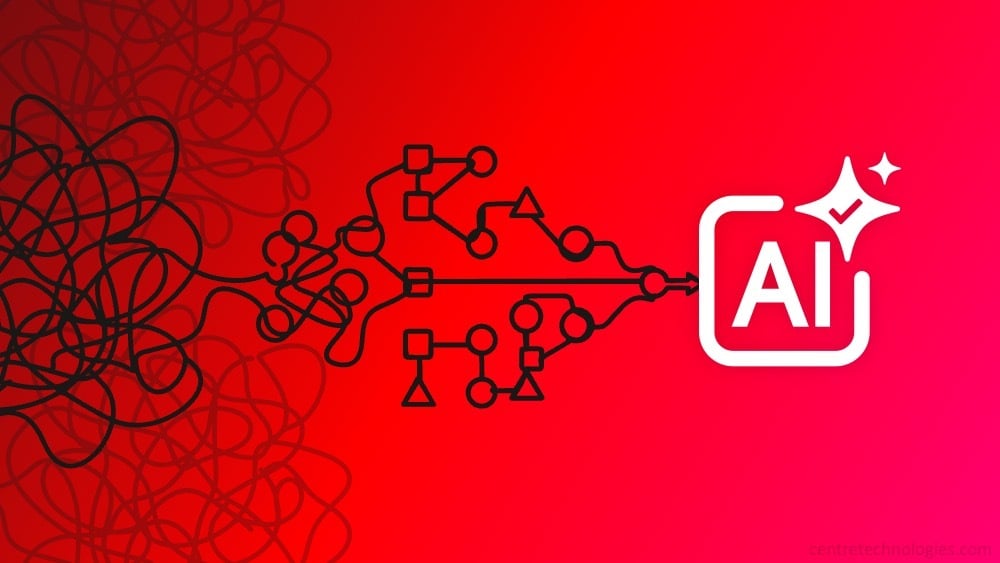
AI use and implementation so often fails because people approach automation in completely different ways. Some move too fast, while others wait so long to make decisions that nothing ever gets off the ground. Businesses across every industry are discovering that AI adoption is more about getting everyone pointed in the same direction that anything else. IBM and Microsoft both point to governance, organizational readiness, and employee behavior as major barriers to success. The good news is that these problems are easy to spot before they become a problem . Once you know what they look like, you can address them before they slow down your AI strategy. Let's meet the teams that are most likely to derail AI adoption.
Quick glance at the 5 types of teams that will stall your AI strategy:
- The AI Chiefs Who Become the Only One With Knowledge
- The AI Sprawl Team Who Use Whatever Engine They Prefer
- The AI "Committee" That's Counterproductive to Growth
- The AI Cowboys Who Use Whatever New Tool Looks the Shiniest at Full Speed
- The Executive Vacuum That Stalls the Business From Implementation
- How to Avoid These Teams Before They Appear
The 5 Types of Teams That Will Derail your AI Strategy
1. The AI Chiefs
Nothing stalls and frustrates a a business faster than AI knowledge getting stuck with a few people. The AI Chiefs are usually smart, motivated employees who love learning new technology. They build cool automations. They show off impressive prompts. They become known as "the AI people." The problem is that nobody else learns how to use AI along the way.
Instead of building an AI-ready company, they accidentally created dependency. Every question goes to the same handful of people. Every project seems to need their approval. Progress slows because knowledge never spreads beyond a small group.
IBM notes that workforce skills and organizational change remain major challenges for organizations trying to expand AI adoption.
Symptoms
- The same employees answer every AI question
- Teams hesitate to use AI without guidance from a designated expert
- AI knowledge stays concentrated within a small group
- New users struggle to get started
- Training receives little attention
How to Fix It
Turn experts into teachers.
Ask power users to share what they know through lunch-and-learns, workshops, or simple guides. Celebrate employees who help others learn. The goal is not to create AI celebrities but simply making AI a part of how the whole business works.
2. The AI Sprawl Team
AI sprawl starts quietly. One team signs up for ChatGPT. Another department decides Gemini is better. Somebody else discovers a new AI tool online and starts using it without telling anyone. Before long, nobody knows which tools are approved or (a more dangerous thought) where company information is being shared.
Leadership thinks AI adoption is taking off. In reality, confusion is taking over.
Microsoft reports that employees are already using unsanctioned AI tools for work tasks, creating concerns around visibility, security, and compliance. The reality is, you'll never scale your AI strategy with that sort of sprawled mindset.
Symptoms
- Different departments use different AI platforms
- Employees purchase tools without oversight
- Approved AI tools are unclear
- Sensitive information is entered into public AI services
- AI costs continue to increase without a clear strategy
How to Fix It
Create simple guardrails.
Employees should know which tools are approved and understand why those tools were selected. Clear guidance reduces confusion and good governance helps people move faster because they spend less time guessing what's allowed.
3. The AI "Committee"
This one is a little harder to explain because in all reality, we do recommend having some sort of sanctioned team that monitors how and when AI is implemented into your business. But it difference is when decisions stall and that "committee" becomes a place where AI strategies go to die.
When every discussion leads to another discussion and every decision requires more research, it just means that same "everybody" wants the ever-elusive perfect plan, so nothing ever moves forward.
Meanwhile, competitors are learning from real-world experience.
McKinsey notes that organizations create more value when they move beyond discussions and begin redesigning work around AI. You've got to start somewhere.
Symptoms
- AI conversations continue for months
- Pilot programs never leave the planning stage
- Decisions are repeatedly delayed
- Nobody wants ownership of risk
- Progress is measured by meetings instead of outcomes
How to Fix It
Start before everything feels perfect.
Build that team as a sound board and make decisions based on what's easily scalable and best for your goals. Choose one business challenge and launch a pilot. Set a clear objective. Measure the results. Learn from what happens next. A small experiment teaches more than months of debating hypothetical situations.
4. The AI Cowboys
The AI Cowboys don't suffer from analysis paralysis. Their problem is the exact opposite. These employees love trying new technology. The moment a tool launches, they're already testing it. Their excitement is contagious and sometimes they produce quick wins that get everyone pumped about using AI.
Then somebody uploads confidential information and that's usually when the celebration ends.
Microsoft recommends establishing governance and security standards before AI adoption spreads because unmanaged AI usage can introduce major risk if not done properly. Honestly, we recommend that too, partner.
Symptoms
- Employees use new AI tools without approval
- Sensitive information is shared without review
- Security teams learn about AI projects after deployment
- Documentation is missing
-
Risk assessments are ignored
How to Fix It
Give employees room to experiment.
Just make sure the boundaries are clear. People should understand what information can be shared and what information must stay protected. Innovation works best when common sense comes along for the ride.
5. The Executive Vacuum
This may be the most dangerous team on the list. But strangely, it rarely looks like a true "team."
Leadership will agree that AI is important. In fact, employees will hear positive messages about AI's future via spunky emails and company-wide briefings. Then somebody asks who owns the strategy and...silence.
IT thinks the business should lead. The business thinks IT should lead. Departments begin pursuing their own priorities because nobody is setting the direction.
McKinsey highlights the continued importance of leadership in helping organizations navigate AI-driven change. Basically, it shouldn't be a one-man show, but there has to be some clear principle of leadership otherwise nothing ever gets off the ground.
Symptoms
- AI ownership is unclear
- Priorities change frequently
- Success metrics are undefined
- Departments pursue separate goals
- Employees receive mixed messages
How to Fix It
Give someone, or a team, the steering wheel.
One leader doesn't need every answer. But someone does need the authority to set direction, remove roadblocks, and keep the organization moving toward a shared goal.
How to Avoid Teams That Derail Your AI Strategy Before They Appear
At the end of the day, if you're not aligned, you're not moving.
The companies making the most progress create clarity early. Employees understand what AI is supposed to accomplish because leadership has communicated a vision. Teams know which tools are approved because expectations have been established from the beginning. Learning becomes part of the culture because leaders understand that AI adoption is really about people.
If AI adoption feels messy in your organization, ask yourself a few simple questions.
- Does everyone know who owns the AI strategy?
- Does everyone know which tools are approved?
- Does everyone know where to get help?
- Does everyone understand the business problem AI is supposed to solve?
When those answers are clear, AI becomes much easier to manage. When they aren't, you'll probably recognize your people somewhere in this article. The best part is, we're here to help if you want to give your AI roadblock teams the boot. Just let us know.
And if one of these teams sounds familiar, don't worry. You're not alone. Almost every company has at least one of them hanging around the break room.